How Glaucoma Affects Peripheral Vision – And What That Means


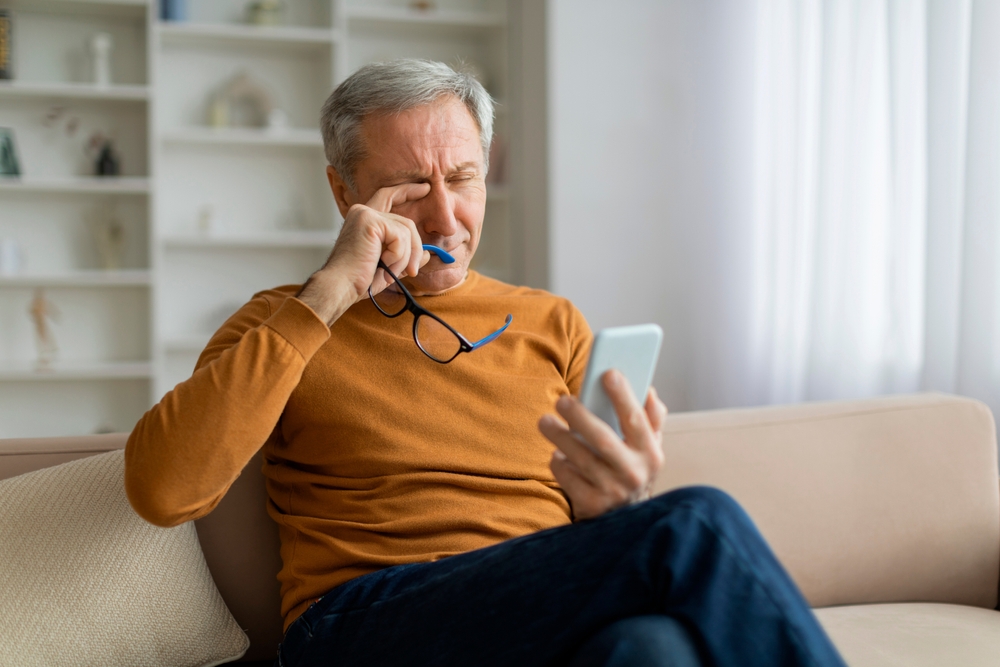
Glaucoma is often called the “silent thief of sight” because it can progress for years without noticeable symptoms. One of the earliest and most significant ways glaucoma impacts vision is through the gradual loss of peripheral vision. Understanding how this happens - and what it means for your daily life - is essential for protecting your long-term eye health.
What Is Peripheral Vision?
Peripheral vision refers to what you can see outside of your direct line of sight. While central vision helps you focus on details like reading or recognizing faces, peripheral vision allows you to navigate your environment safely. It plays a key role in activities such as driving, walking through crowds, playing sports, and maintaining balance. Because peripheral vision loss is often subtle at first, many people don’t realize it’s happening until significant damage has already occurred.
How Glaucoma Damages Peripheral Vision
Glaucoma primarily damages the optic nerve, which is responsible for transmitting visual information from the eye to the brain. In many cases, this damage is associated with increased intraocular pressure, although glaucoma can occur even with normal eye pressure.
The optic nerve fibers responsible for peripheral vision are typically affected first. As these fibers deteriorate, blind spots begin to develop along the outer edges of your visual field. Over time, these blind spots can expand and merge, leading to “tunnel vision,” where central vision remains but side vision is severely restricted.
Why Peripheral Vision Loss Is So Dangerous
One of the biggest challenges with glaucoma is that peripheral vision loss often goes unnoticed in the early stages. Your brain can compensate by filling in missing information, making it seem like your vision is normal.
However, as the disease progresses, peripheral vision loss can significantly affect daily life, including:
Difficulty driving safely, especially when changing lanes or noticing pedestrians
Increased risk of falls and accidents
Trouble navigating stairs or uneven surfaces
Reduced independence and mobility
Once vision is lost due to glaucoma, it cannot be restored. This makes early detection and ongoing management critical.
Who Is at Higher Risk for Glaucoma?
While glaucoma can affect anyone, certain factors increase your risk, including:
A family history of glaucoma
Being over the age of 60
Certain medical conditions such as diabetes or high blood pressure
Long-term use of corticosteroid medications
Being nearsighted or farsighted
Because symptoms often don’t appear early on, routine eye exams are the best way to detect glaucoma before noticeable vision loss occurs.
How Glaucoma Is Diagnosed
Detecting glaucoma requires more than a basic vision screening. Routine eye exams may include measuring eye pressure, evaluating the optic nerve, testing peripheral vision, and assessing corneal thickness. Regular monitoring allows your eye doctor to identify changes early and adjust treatment as needed.
Take the Next Step in Protecting Your Vision
Glaucoma’s impact on peripheral vision can be gradual, painless, and easy to overlook - but the consequences can be life-altering if left untreated. Understanding how glaucoma affects side vision highlights the importance of early detection, consistent monitoring, and proactive care.
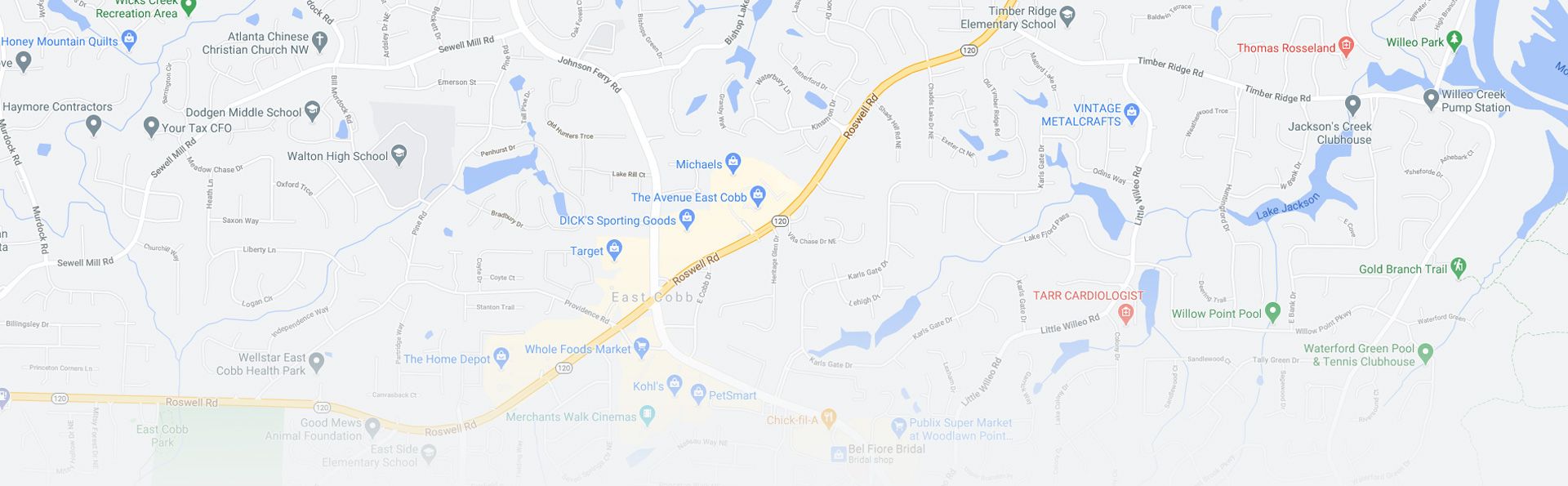
Schedule an eye exam at Lakhani Vision Care to evaluate your eye health and screen for glaucoma. Visit our office in Marietta, Georgia, or call (770) 509-9932 to book an appointment today.


Interested in our Services?
If you would like to schedule an appointment or learn more about our services, contact us today!
Contact Information
Office Hours of Operation
- Monday9:00 AM to 5:00 PM
- Tuesday9:00 AM to 5:00 PM
- Wednesday9:00 AM to 5:00 PM
- Thursday9:00 AM to 5:00 PM
- Friday9:00 AM to 5:00 PM
- Saturday9:00 AM to 5:00 PM
- Sunday12:00 PM to 4:00 PM
Powered by